
K9 Friends

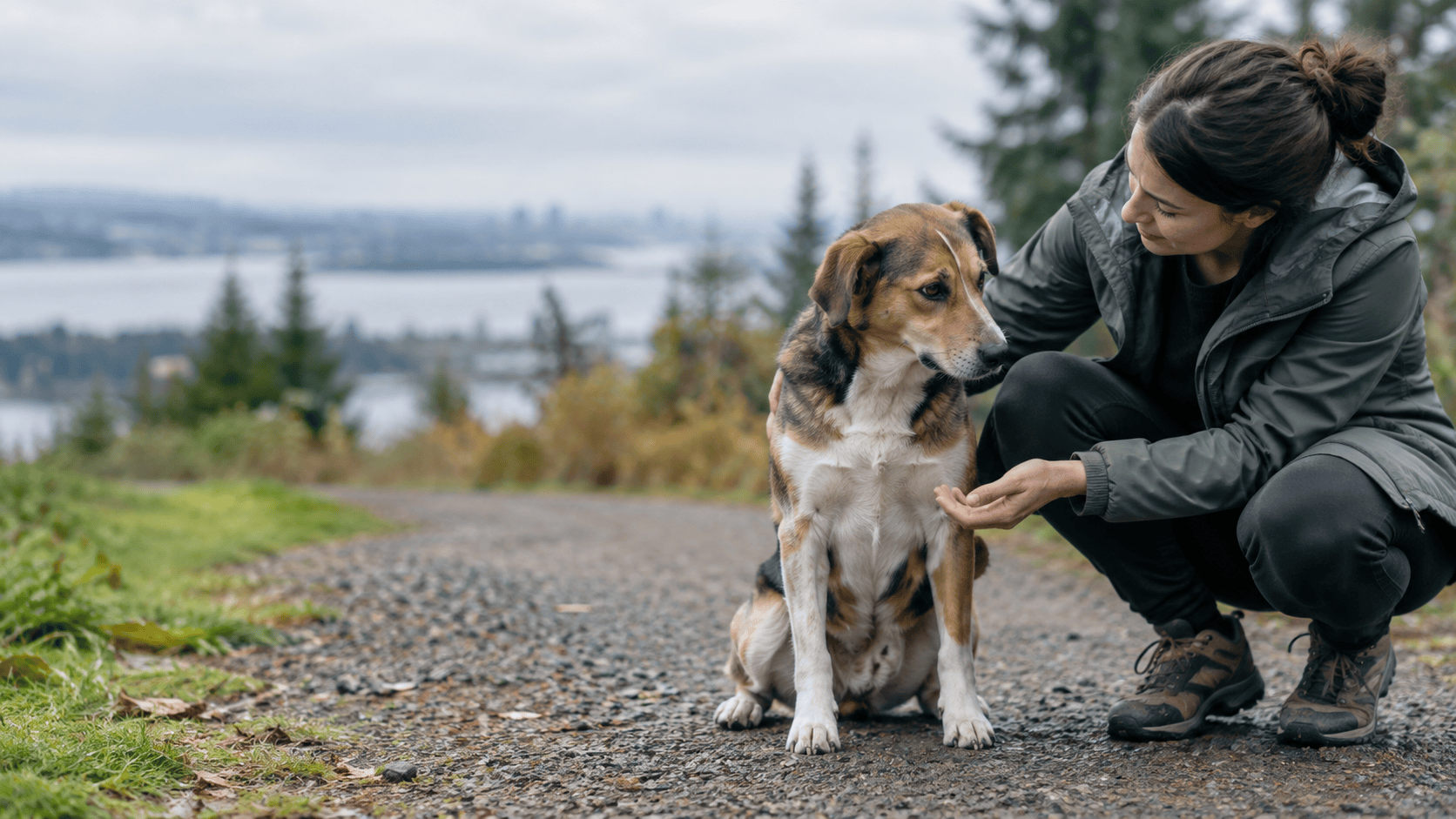
When Training Fails a Dog, Who Pays the Price?

Before we give up on a dog, we owe that dog every reasonable opportunity to succeed.

There is no one-size-fits-all approach to dogs when it comes to training 

I don’t believe good trainers need to agree on every tool or every methodology.

Dogs are individuals. Their genetics, temperament, environment, history, drives, fears, and learned behaviours all matter.

But I do believe we have to be honest about the limitations of certain training philosophies.

The term “force-free” is often used as though it means training without force of any kind. In reality, that label can mean different things to different people, and no training approach is completely free of consequences, boundaries, or pressure.

My concern isn’t that certain trainers choose not to use particular training tools.

My concern is when a trainer’s philosophy becomes more important than the dog in front of them.

If a trainer’s toolbox isn’t producing meaningful improvement in a serious behavioural modification case, the responsible thing to do is say so.

Refer the dog to someone with additional experience.

Bring in another professional dog trainer.

Use a different approach.

Don’t let your ideology become the reason a dog loses its life or is put on psychotropic medications! 

Behavioural cases aren’t all the same.

There is an enormous difference between teaching a puppy not to jump and helping a dog with serious aggression, intense reactivity, and deeply ingrained behavioural patterns.

Some dogs need far more than treats and environmental management.

They need structure.

They need boundaries.

They need clarity.

They need consequences that they can understand.

And, most importantly, they need a skilled trainer who understands how to communicate with that particular dog.

This is where balanced training can make an enormous difference.

Balanced training allows a trainer to use multiple forms of communication and reinforcement, rather than restricting themselves to one category of tool. Reward the behaviours we want. Build engagement. Create motivation. Establish boundaries. Build connection. Interrupt dangerous behaviour when necessary. Teach the dog what works—and what doesn’t.

The objective isn’t to punish a dog.

The objective is to change behaviour and create a dog that can safely function in the real world.

Sometimes rehabilitation means saying “no”

A dog with true behavioural problems cannot always be managed by simply avoiding triggers.

Eventually, real life happens.

Someone walks through the door.

Another dog appears.

A child runs past.

A stranger approaches.

A gate gets left open.

A squirrel crosses the road.

A dog that has never learned how to think and control themselves in these situations may eventually find itself in a circumstance where management fails.

We shouldn’t simply be asking:

“How can I prevent this dog from ever doing this?”

We should also be asking:

“How can I teach this dog to become a critical thinker and make different choices?”

That is a very different goal.

What about medication?

A dog shouldn’t automatically be considered a medication case simply because training is difficult.

And behavioural euthanasia should never become the convenient answer simply because a professional has reached the limits of their own experience, philosophy, or toolbox.

Know when your toolbox ends

Here’s something I wish every trainer—regardless of methodology—would be comfortable saying:

“This case is beyond my current expertise.”

There is no shame in that.

A force-free trainer who reaches the limits of their approach should be willing to refer to an experienced balanced trainer when appropriate.

A balanced trainer who encounters a case beyond their expertise should do exactly the same.

That isn’t failure.

That’s professionalism and that’s caring about the dog in front of you.

Our job is not to win an argument about methodology.

Our job is to help the dog.

Balanced training saves lives

I’ve seen dogs who were labelled dangerous become dogs their families could safely live with.

I’ve seen owners regain confidence.

I’ve seen dogs learn to make better choices.

I’ve seen relationships repaired.

And I’ve seen dogs who were considered lost causes get another chance.

Serious behavioural cases deserve access to the full range of appropriate training strategies—and dogs deserve trainers who are willing to think beyond ideology.

The best trainer isn’t the one with the loudest opinion.

It’s the one who can look at the dog in front of them, put their ego aside, use the appropriate tools responsibly, and ask:

“What does this dog need from me to become safer, happier, and more successful?”

Because ultimately, this isn’t about winning a debate.

It’s about saving dogs.

If you are working through this with your own dog, our behaviour-focused dog training in Langley starts with a 10-minute phone consult — no commitment, just a conversation about what is actually happening.
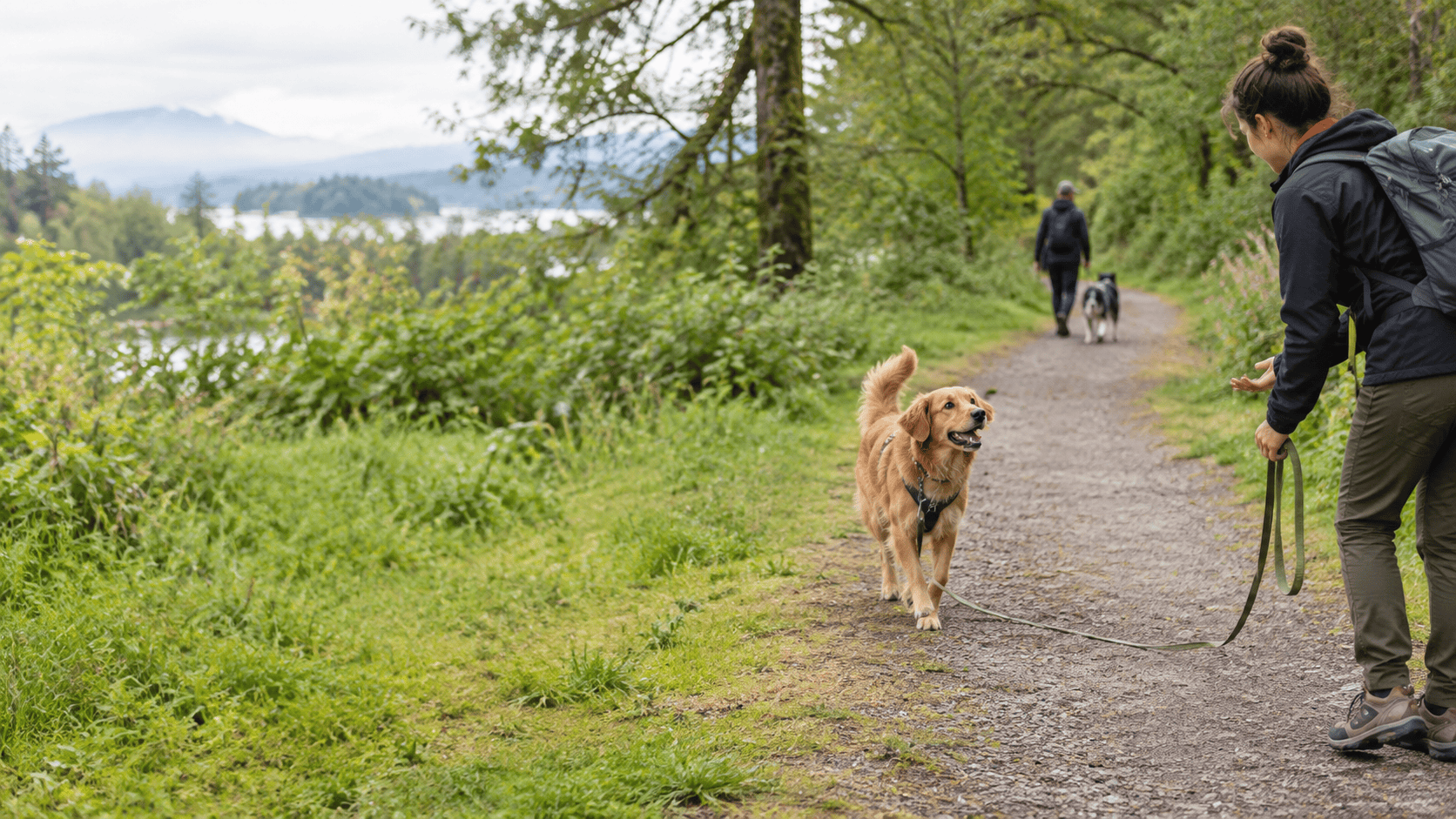
Your Dog’s Freedom Should Never Come at the Expense of Another Dog’s Safety

One of the most important things every dog owner should understand about off-leash freedom is this:

Your dog wanting to say hello does not mean another dog wants to say hello. Period. 

Just because your dog is friendly, playful, or excited to meet other dogs doesn’t mean every dog they approach will feel the same way.

The dog you’re approaching could be nervous, reactive, elderly, injured, uncomfortable around other dogs, or simply enjoying a quiet walk with their owner. They deserve to have their space respected too.

“Don’t worry, my dog is friendly!”

We’ve all heard it. Cue in the eyeroll. 

A dog comes running toward you while their owner calls from a distance, “He’s friendly!”

And while that’s great, being friendly isn’t the same as having solid leadership and being under control.

A dog who ignores their owner, runs up to unfamiliar dogs, and can’t be called away is still a dog with no leadership or guidance—regardless of how friendly they are.

A good recall means your dog can come back to you even when something exciting is happening around them. And that’s a life skill they need in the real world. 

Off-leash freedom is earned

There’s nothing better than watching a dog enjoy the freedom to run, explore, sniff, and play.

But that freedom comes with responsibility.

If your dog isn’t ready to reliably come when called, staying on leash or using a long line while you continue training, isn’t a failure. It’s responsible ownership.

And remember, you don’t know what another dog may be dealing with. A dog rushing into their space can turn a perfectly peaceful walk into a dangerous situation in seconds.

Your dog doesn’t need to greet every person or dog they see.

Teaching your dog to calmly walk past another human and/or dog without pulling, rushing over, or demanding an interaction is necessary for them to thrive.

Real freedom comes from connection

A well-trained dog isn’t necessarily a dog who loves everyone.

It’s a dog who can see another dog, remain calm, listen to their handler, and make good choices.

That’s what creates real freedom.

At K9 Friends, we believe training isn’t about taking away the fun of being a dog. It’s about building the relationship, communication, and reliability that allow your dog to safely enjoy more freedom.

A strong recall can protect your dog from traffic, wildlife, dangerous situations—and unwanted interactions with other dogs.

So before letting your dog run free, ask yourself:

“If I call my dog right now, will they come?”

If the answer is no, that’s okay. It simply means there’s more training to do.

Because the goal isn’t a dog who can run wherever they want.

The goal is a dog who can enjoy freedom while still choosing to stay connected to you.

Choosing Your Next Family Dog: Why Health, Genetics, Temperament, and Ethical Breeding Matter

Choosing Your Next Family Dog: Why Health, Genetics, Temperament, and Ethical Breeding Matter

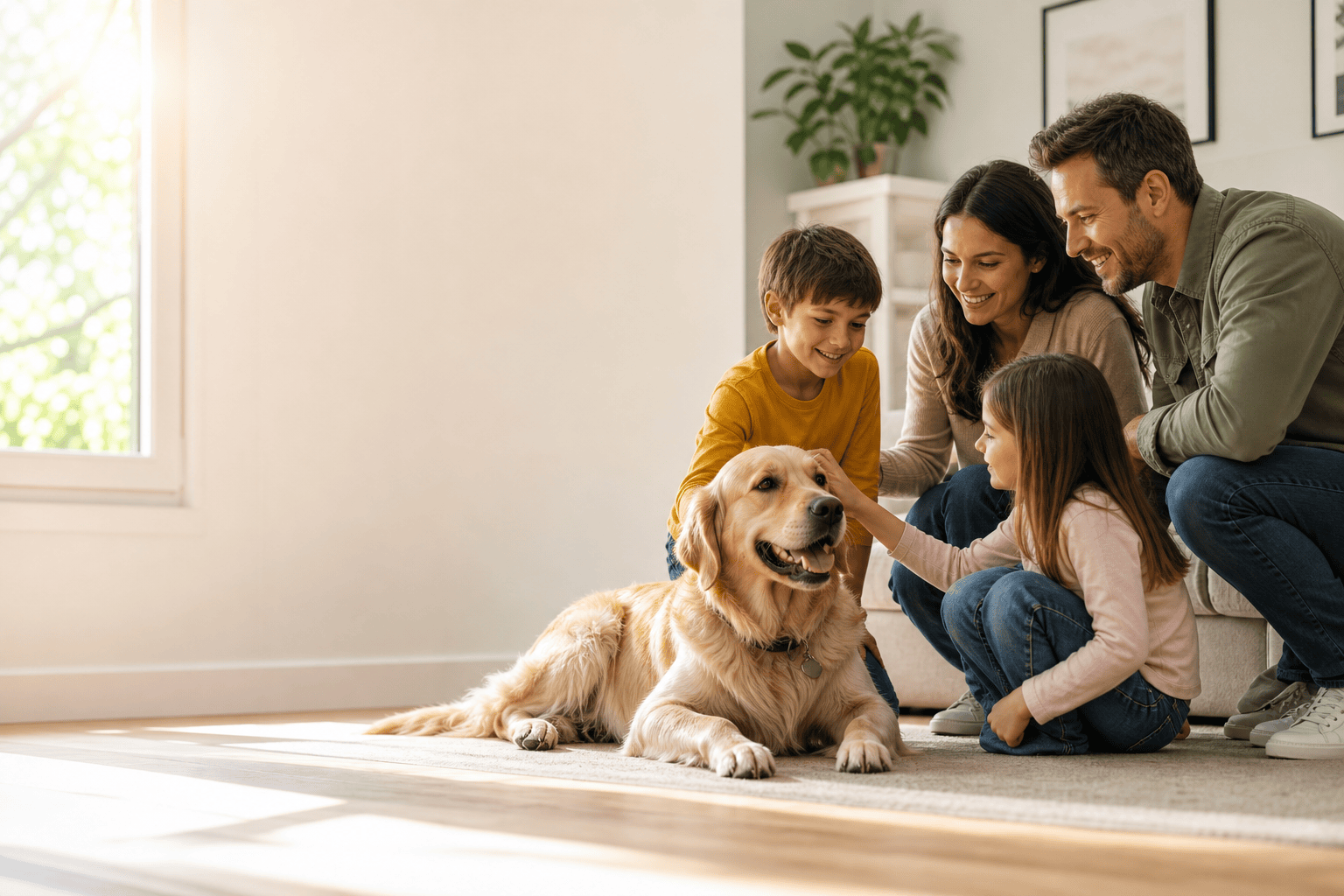
Bringing a puppy or dog into your family is one of the most exciting and rewarding decisions you’ll ever make. But behind every great dog is something much more important than just a cute face — thoughtful choices, responsible care, and understanding where your dog came from and who your dog is. 

Whether you choose to work with an ethical breeder or adopt through a reputable rescue, taking the time to learn about health, genetics, and temperament can make a tremendous difference in creating a successful lifelong relationship with your new family member.

A responsible breeder does far more than simply produce puppies. They carefully health test to help reduce the risk of inherited diseases and conditions that can affect a dog’s quality of life. They understand their breed’s genetics, study lineages, and make thoughtful decisions about pairings to improve the health, structure, and stability of future generations.

But health is only one piece of the puzzle. A truly ethical breeder also prioritizes temperament — because a dog’s personality and emotional stability are just as important as their physical health. They breed for dogs that are confident, resilient, social, and capable of thriving in family environments. They raise puppies with early socialization, enrichment, and positive experiences that help set them up for success.

When considering a rescue dog, the same principles apply. A responsible rescue organization takes the time to understand each dog as an individual — their personality, needs, history, energy level, and ideal home environment. The goal should never simply be finding a dog a home, but finding the right dog for the right person(s) or family.

The perfect dog is not always the one that catches your eye first. The best match is the one whose temperament, needs, and lifestyle fit naturally with your own. For example, a high-energy working breed like the Malinois or heeler may be beautiful, but they may not thrive in your household unless you’re fulfilling their purpose and genetics.

A dog is not just a pet — they are a commitment, a companion, and a member of your family for many years to come. So taking the time to ask questions, research health testing, understand genetics, and choose ethical sources is an investment in your future together. 

Because every dog deserves a home where they can thrive — and every person(s) or family deserves a dog who is the right fit for their hearts and their lifestyle. 

Why K9 Friends Has The Lower Mainland’s No. 1 Doggy Daycare Paradise

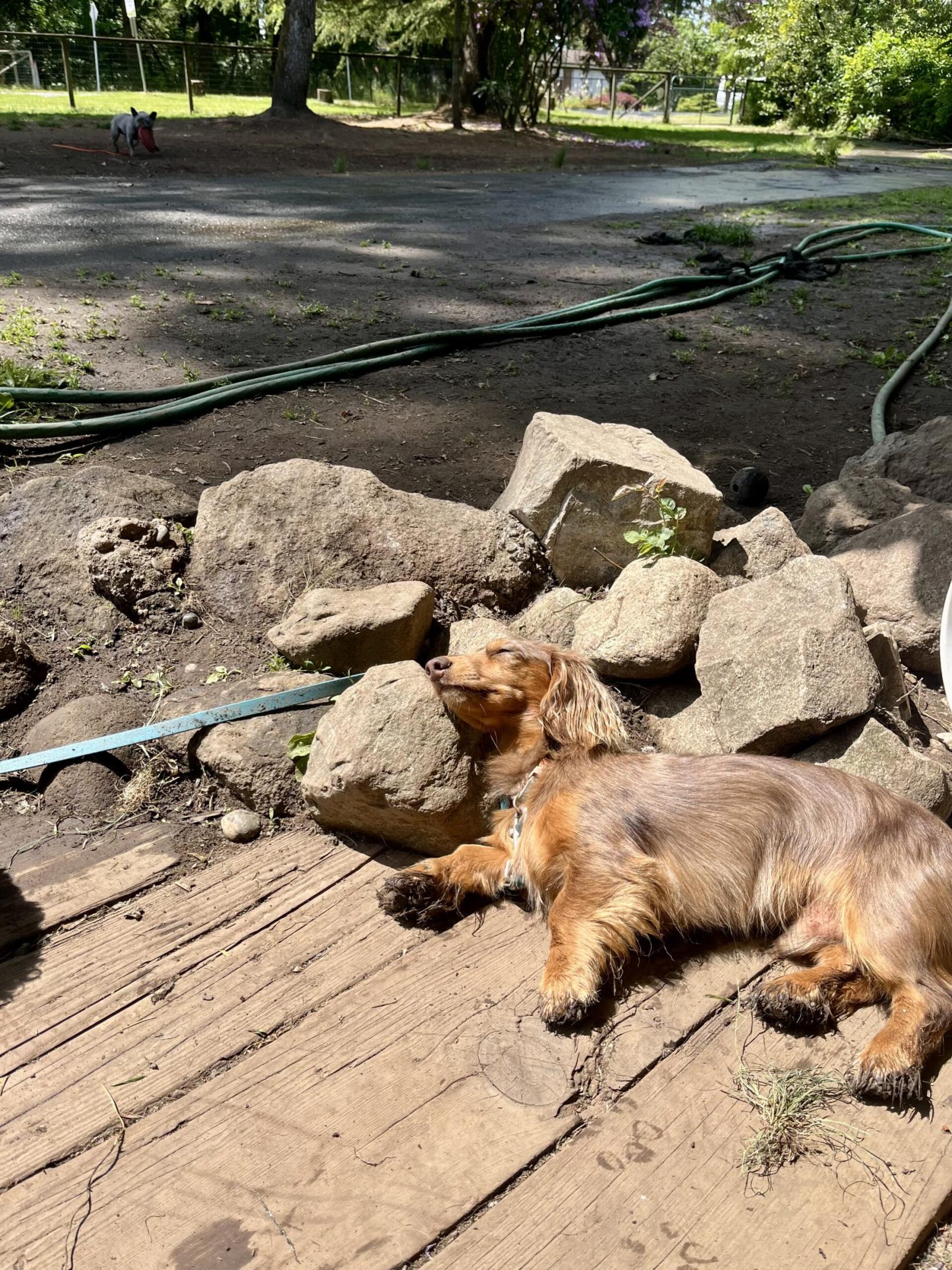
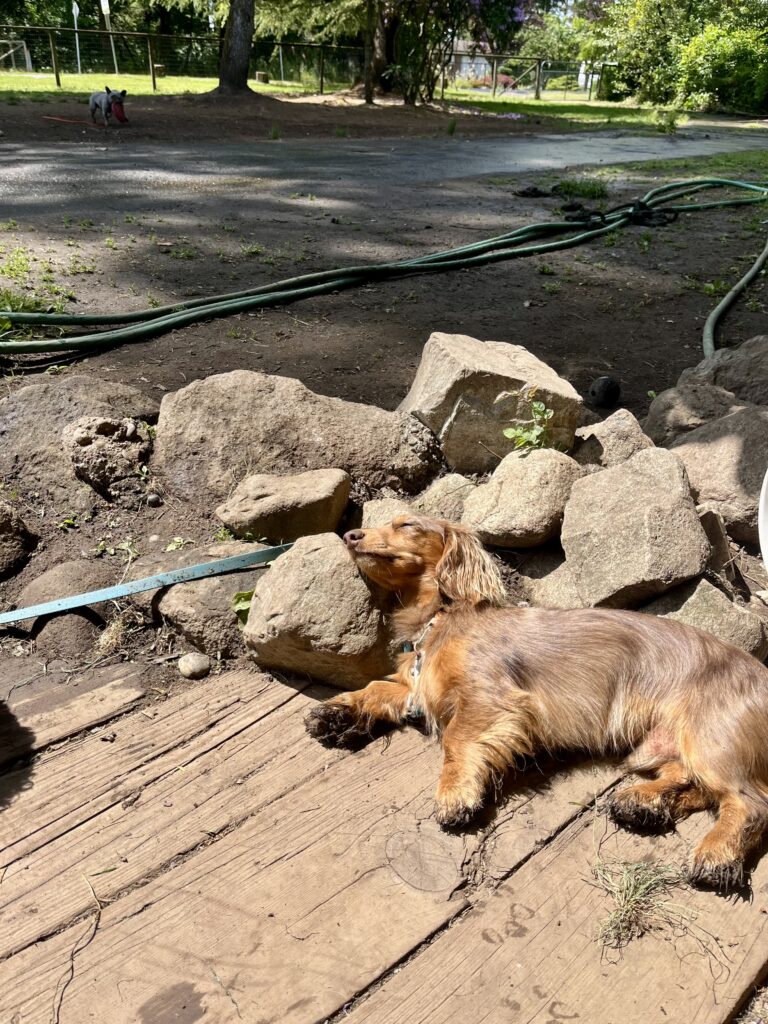
Small dog resting on the deck in the play yard at K9 Friends

If you’re searching for the best doggy daycare in Langley, Surrey and Vancouver’s surrounding cities, look no further than K9 Friends. Nestled on a peaceful, private 2.5-acre property in Clayton Heights, our doggy daycare is more than just a place for dogs to spend the day — it’s a true canine paradise.

We understand that choosing a dog daycare isn’t just about convenience. It’s about trust, safety, and knowing your dog is not only well cared for but truly happy. That’s what sets K9 Friends apart.

Where Play Meets Purpose – Finally! A Dog Daycare With a Trainer’s Touch

Unlike most doggy daycares in the Lower Mainland, K9 Friends is owned and operated by a professional dog trainer and behaviourist with over 17 years of experience. This means your pup is supervised by staff who are trained to read dog body language, manage group dynamics, and provide a structured, safe and enriching environment.

From puppies to adult dogs, every canine guest benefits from positive socialization and purposeful play led by a dedicated team of staff members.

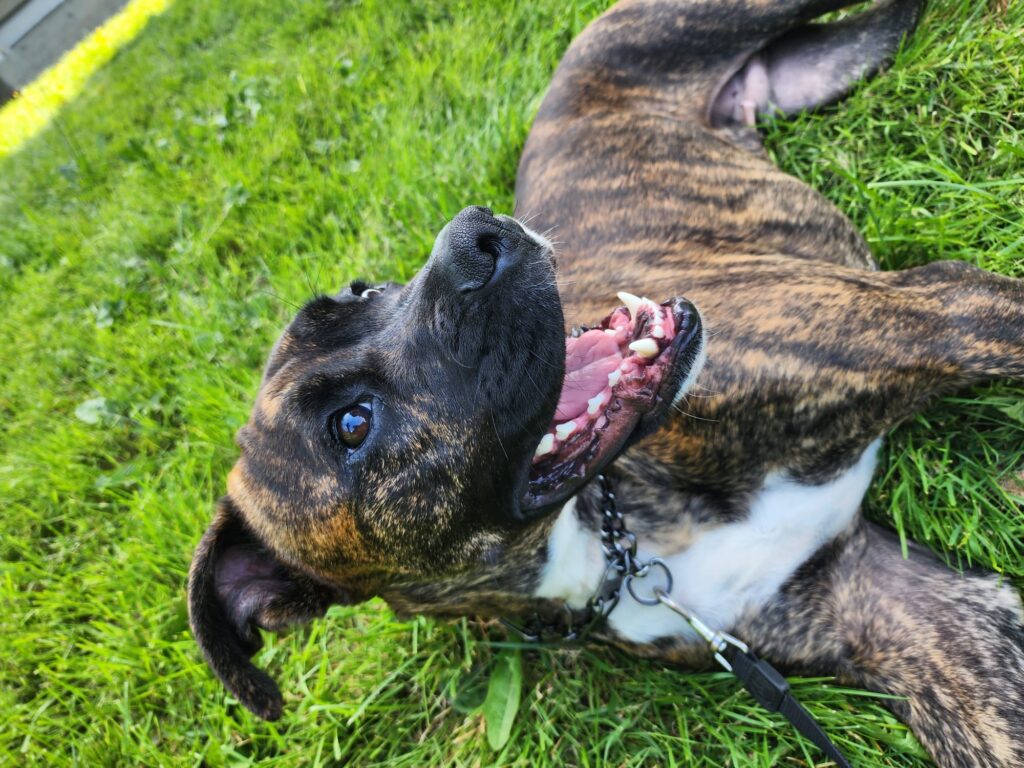
Brindle and white dog rolling on its back in the grass at K9 Friends

Room to Run, Space to Sniff, and a Pool to Splash In!

At K9 Friends, dogs get to enjoy what city pups dream of: wide open spaces, lush trees, and fresh air. Our 2.5-acre property offers a natural environment that allows dogs to run, explore, and play freely with their pack.

Rain or shine, your dog will love:

  • Long, stimulating pack walks off-property to explore new scents and sights
  • Splash time in our doggy daycare pool on warm days
  • Indoor breaks in a cool, air-conditioned facility
  • Exciting interactive games using balls, tubs, and teamwork
  • Personalized cuddle time and one-on-one attention, thanks to our small pack sizes

Whether you’re coming from Langley, Delta, Abbotsford, or nearby cities like Maple Ridge and Pitt Meadows, your dog will experience a level of care and attention that’s hard to find elsewhere.

Clean, Calm, and Full of Love

We’re proud of how clean our facility is — because we know it matters to you. Our dedicated clean-up crew works around the clock to keep all areas — both indoor and outdoor — fresh and tidy.

  • And it’s not just about play. We believe every dog deserves affection, guidance, and calm leadership. That’s why we focus on keeping stress levels low, offering structured play and giving each dog gentle, loving attention throughout the day.

Serving the Lower Mainland with Heart

We welcome clients from across Clayton Heights, Langley, Surrey, Abbotsford, Pitt Meadows, Maple Ridge, Coquitlam, Burnaby, and beyond who want more than just a basic dog daycare. We’re here for those guardians who want their dogs to thrive — physically, emotionally, and socially.

So, if you’re a dog parent in Clayton Heights, Langley, Surrey, or any of the surrounding cities looking for a professional doggy daycare that feels like home, we invite you to come visit K9 Friends.

Let your pup experience the ultimate doggy day out.

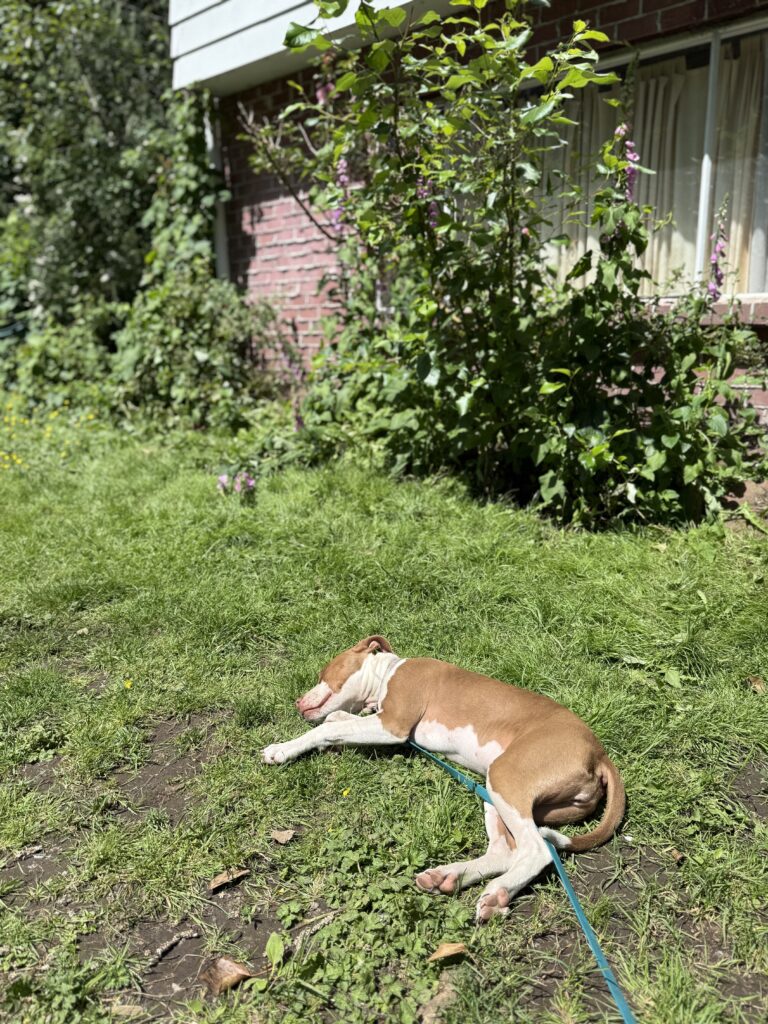
Tan and white dog resting on the grass at K9 Friends

Book a Meet & Greet Today!

We’d love to meet you and your furry friend. Schedule a tour or trial day and see the K9 Friends difference for yourself.

🐾 Contact us directly at www.k9friends.ca or call/text us at 604-330-6921 to learn more.
📍 Conveniently located in Clayton Heights; central to Surrey, Langley, Maple Ridge, Coquitlam and the entire Lower Mainland.