
K9 Friends

Dogs Don’t “Suddenly” Become Aggressive Or Reactive

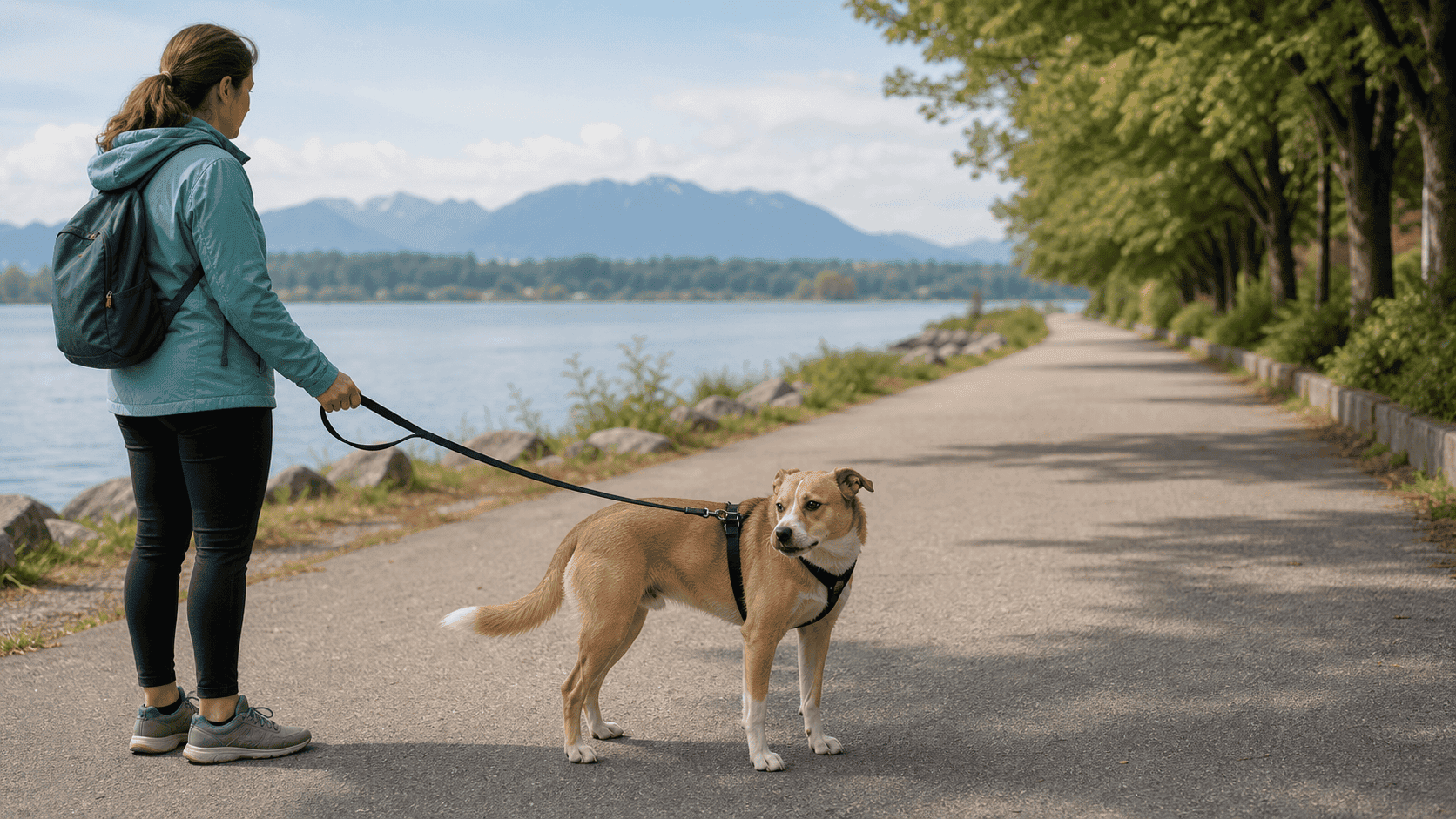
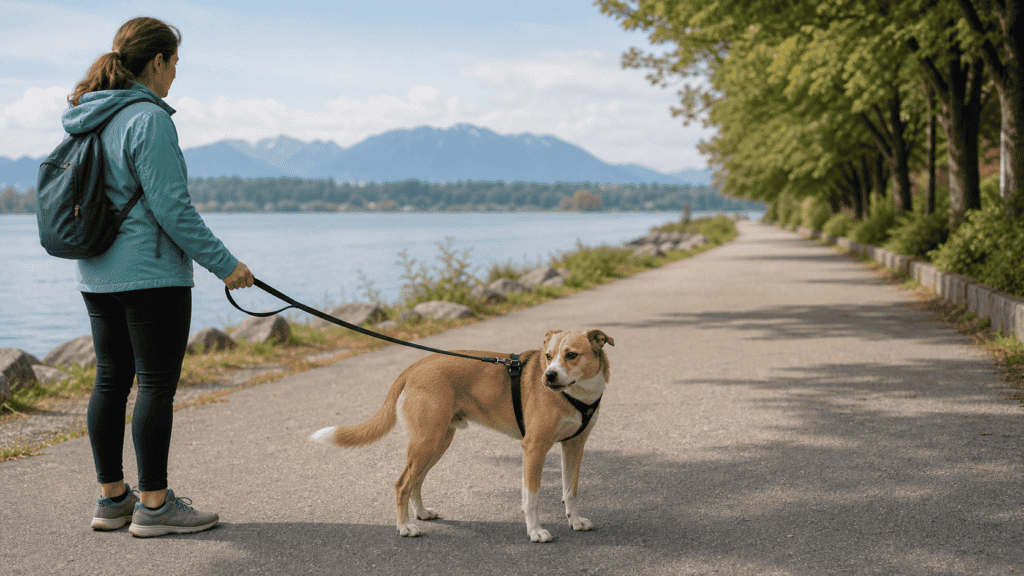
Owner walking her dog on a lakeside path near Langley BC

Dogs Don’t “Suddenly” Become Aggressive Or Reactive

One of the biggest misunderstandings in the dog world is the idea that dogs become aggressive or reactive “out of nowhere.” In reality, most dogs spend a long time trying to communicate with us before they ever feel the need to escalate.

Dogs are constantly speaking to us through body language: A stiff posture, lip licking, turning away, slowing down while eating, whale eye, tension around the face. These are all forms of communication. The problem is that humans often miss or misunderstand these subtle signals.

When dogs feel unheard and unseen, they eventually resort to louder behaviors because those behaviors work.

For example, a dog who feels uncomfortable when unfamiliar dogs approach; while it’s on a walk and on leash; may eventually start barking and lunging to create space. Another example is a dog who has tolerated being handled roughly by their family’s toddler, will eventually snap because it finally learned that stronger communication gets results.

Most unwanted behaviours don’t appear magically. Usually, the dog attempted many smaller forms of communication first, but those signals went unnoticed by it’s humans. 

That doesn’t make the behaviours acceptable, but it absolutely explains where it comes from.

Dogs still carry many instinctive behaviors that once had survival value. Even in modern homes, they can feel stress, pressure, fear, and conflict. The issue is that many pet owners were never taught how to recognize canine communication before things escalated.

Understanding your dog’s body language and learning to read your own dog, is one of the most valuable things you can do as a dog owner. When we learn to listen earlier, we develop trust with our dogs; and they often no longer feel the need to explode or melt down. 

At K9 Friends, we are committed to helping you to do the above and build that beautiful relationship with your dog. 
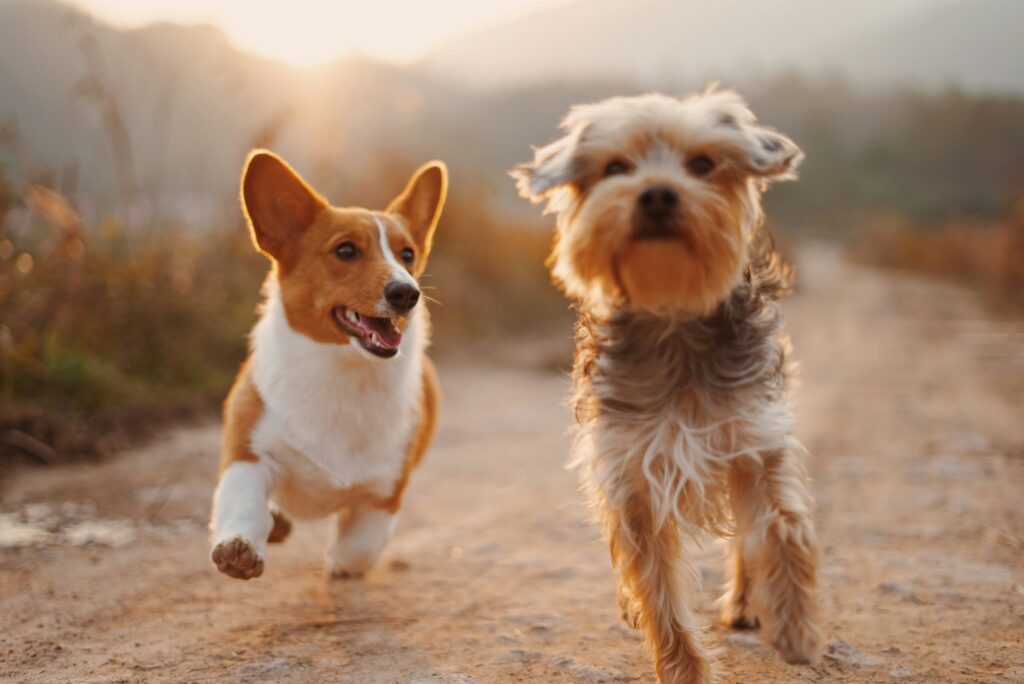
Two dogs watching each other closely during aggressive or reactive dog assessment at K9 Friends

Dogs rarely change overnight. What looks sudden is usually a stack of small signals that were missed, tolerated, or corrected away. Lip licking, turning the head, a closed mouth, whale eye and a stiffened body are all communication, and they come well before a growl.

When those signals are punished, a dog learns to skip them. That is how you get a dog who appears to bite without warning. The warning was there. It just stopped being safe to give.

The useful response is to treat the early signals as information. If your dog stiffens when a stranger approaches, that is the moment to create distance, not the moment to prove the dog is fine. A dog who is listened to at the small signs rarely needs to escalate to the loud ones.

Our dog aggression training page explains how we separate reactivity from a bite history, and the AVSAB covers the humane handling standards behind that work.

Why Dogs Become Aggressive or Reactive Slowly

What to Do First

Book a vet check and describe the change in behaviour in plain terms: when it started, what triggers it, whether eating and sleeping have changed. Then book an assessment. Bring video if you can. Between them, those two appointments will tell you more than a month of reading.

One last thing. If your dog has growled and you corrected it, the growl may stop. That is not progress. It means the warning has gone and the next step comes without notice, which is harder and more dangerous for everyone involved.

None of this is unusual. Reactivity is common, it is workable, and the earlier it is assessed the more options you have.
Why Play Matters in Dog Training | K9 Friends Surrey, BC

Building Confidence Through Dog Training in Surrey, BC

At K9 Friends, we believe dog training in Surrey, BC should be about more than obedience. Good training helps dogs build confidence, improve focus, and create a stronger relationship with their owners.

Dog training is about more than teaching commands. It is about building a strong, healthy relationship between you and your dog.

A dog’s emotional state has a big impact on how they learn. When a dog feels safe, engaged, and motivated, the learning process becomes clearer and more effective. That emotional foundation shapes behaviour, confidence, and the relationship they build with their owner.

This is where play becomes so important.

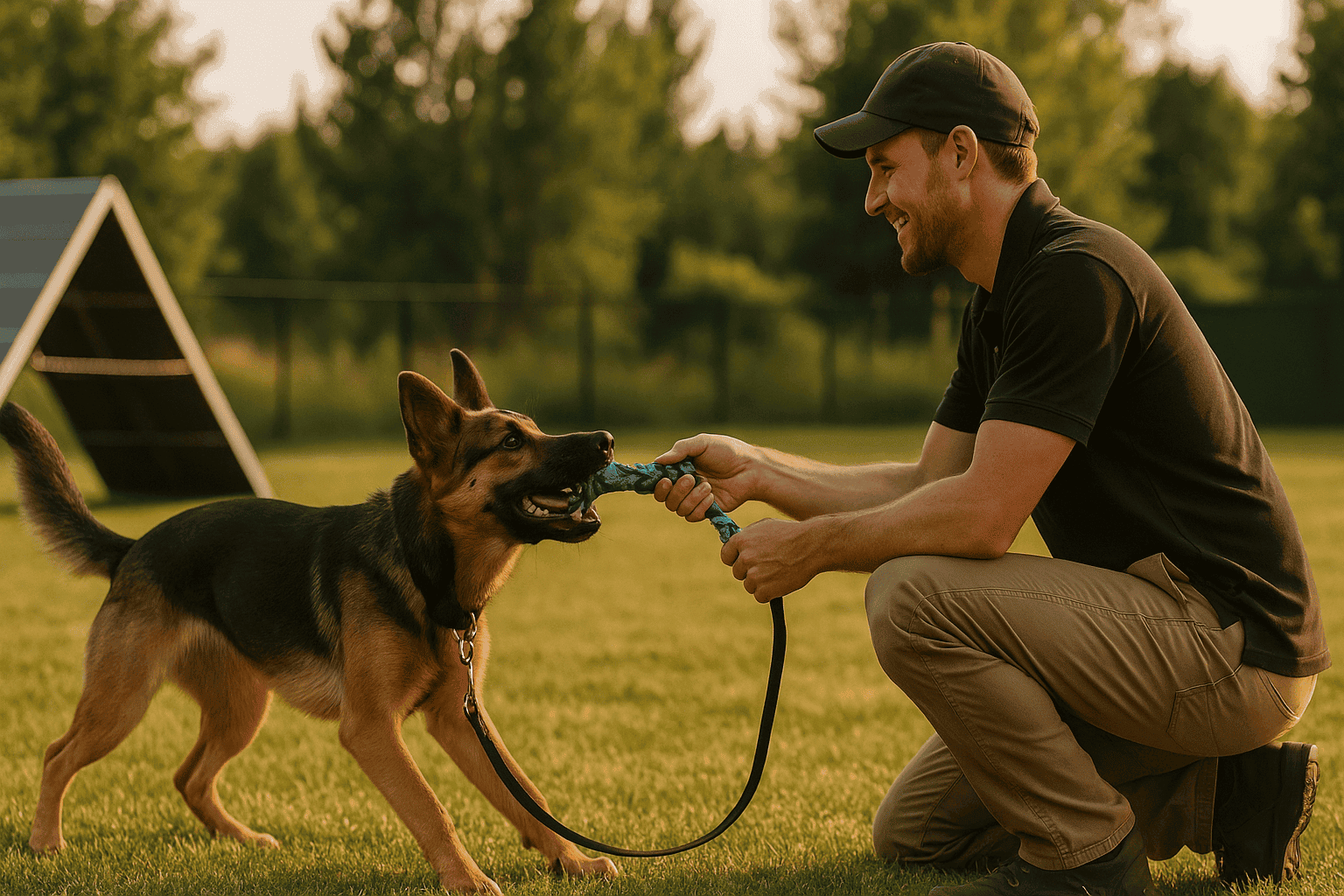
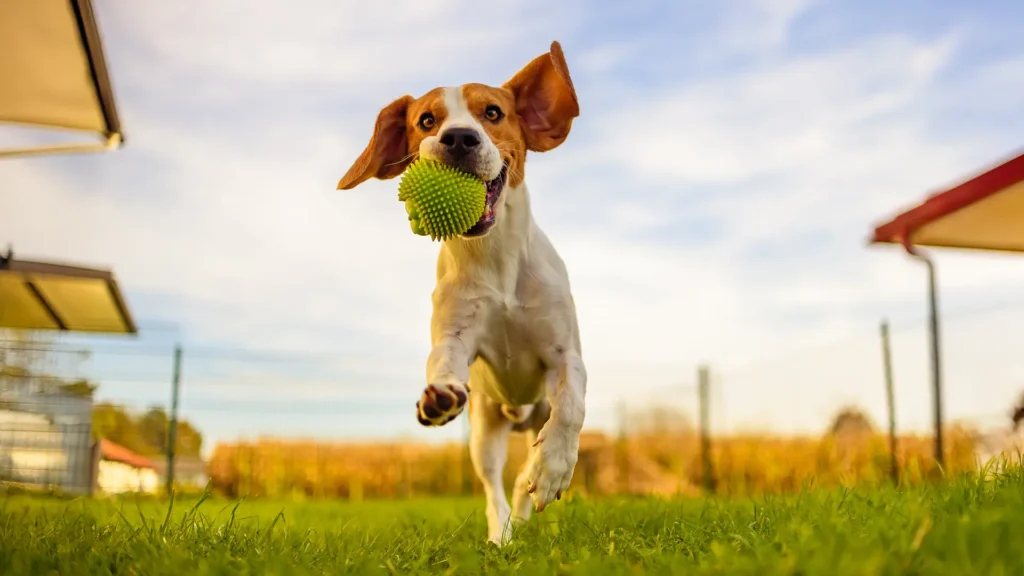
Play is not just a reward at the end of a session. When it is used properly, play becomes one of the most effective ways to communicate with your dog during training. It helps build trust, creates clarity, and works with your dog’s natural drives and personality.

When play is part of the process, dogs often become more willing, focused, and engaged. Training becomes something they want to participate in rather than something they simply tolerate. Instead of feeling repetitive or stressful, it becomes a shared experience that strengthens the bond between dog and owner.

At K9 Friends, we often see meaningful changes when dogs are given the right mix of play, structure, and guidance. Dogs that may seem anxious, reactive, fearful, or disconnected can begin to show better focus, stronger confidence, and a greater willingness to engage. With the right training approach, many dogs begin to look to their owners with more trust and understanding.

At the same time, play alone is not enough.

Dogs also need structure, consistency, and clear communication. They do best when they understand what is being asked of them and how to succeed. When play is balanced with guidance and fair expectations, training becomes both enjoyable and productive. That balance helps dogs feel fulfilled while giving them the direction they need to thrive.

This is a big part of how we approach dog training in Surrey, BC.

Whether we are helping a puppy build a strong foundation or working with a dog that needs more support, our goal stays the same: to build confidence, create clarity, and help each dog develop the skills needed to live successfully in the human world. We also help owners better understand their dogs so the relationship becomes more connected, consistent, and rewarding.

Because in the end, dog training is not only about having a well-behaved dog.

It is about having a dog that feels understood, supported, and confident. It is about building a relationship based on trust, respect, communication, and genuine enjoyment. That is where lasting progress begins, and that is what meaningful training should provide.

Dog training in Langley: dogs playing in the grass at K9 Friends

Play is not the reward at the end of the lesson. It is part of the lesson. A dog who is allowed to move, chase and tug during a session stays engaged for longer, learns faster, and remembers more of it the next day.

The useful distinction is between play you start and play the dog starts. A game you begin, pause and restart teaches a dog that arousal has an off switch, and that switch is the skill most adolescent dogs are missing.

It also changes how a dog feels about training. If every session ends with a game, the sight of the leash and the clicker stops predicting hard work and starts predicting a good time. That matters on the days you need cooperation in a hurry.

For the research side of this, the AVSAB position statements are a good starting point, and our dog training in Langley page explains how sessions are structured.

How Dog Training Uses Play