Training focused on behaviour, built on 20+ years of hands-on experience. We work on the things that actually make daily life harder: pulling, jumping, recall, reactivity, and communication that breaks down under distraction.
Our dog training Langley programs are built around real life: recalls on trail, leash manners on 200th Street and calm behaviour at the door.
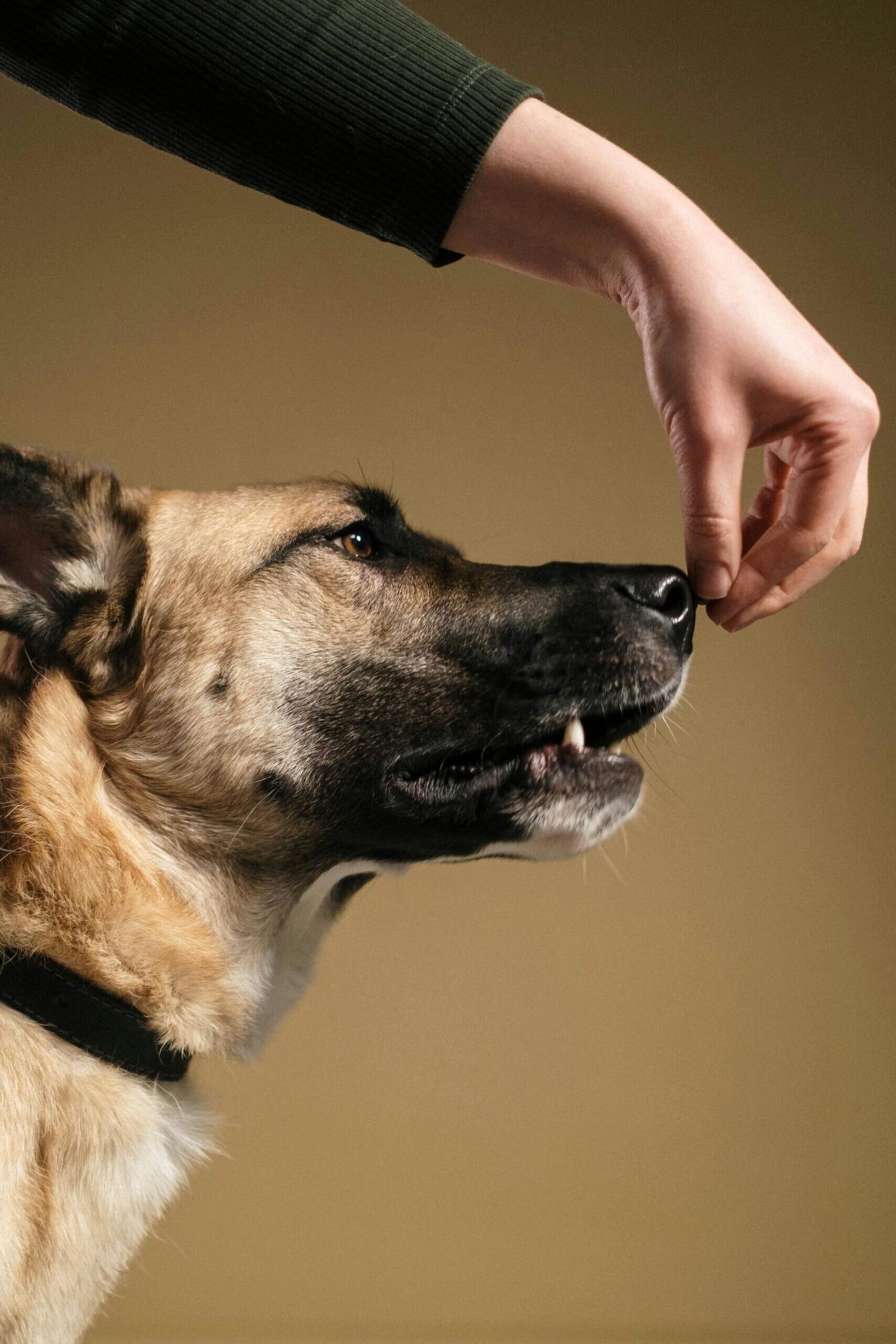
A reliable come-back is the single most important safety skill a dog can learn.
Walking without being dragged is the change most owners notice first.
No jumping on guests, no charging the door, no chaos at the front step.
Structured work for dogs who bark, lunge, or shut down around triggers.
Plenty of dogs can sit and stay in a quiet training hall. The test is the sidewalk on 200th Street, the front door when guests arrive, and the park when another dog appears. Our training is built around those moments.
Rehabilitation is the word we use for the work that matters most: taking a dog who is reactive, anxious, over-aroused or simply out of practice, and rebuilding both the dog’s behaviour and the owner’s confidence in handling it. Most dog training Langley enquiries we receive are really this: an owner who loves their dog and has run out of ideas. The goal is not a dog who performs on cue in a hall; it is a dog and an owner who can handle the street, the front door and the vet visit together.
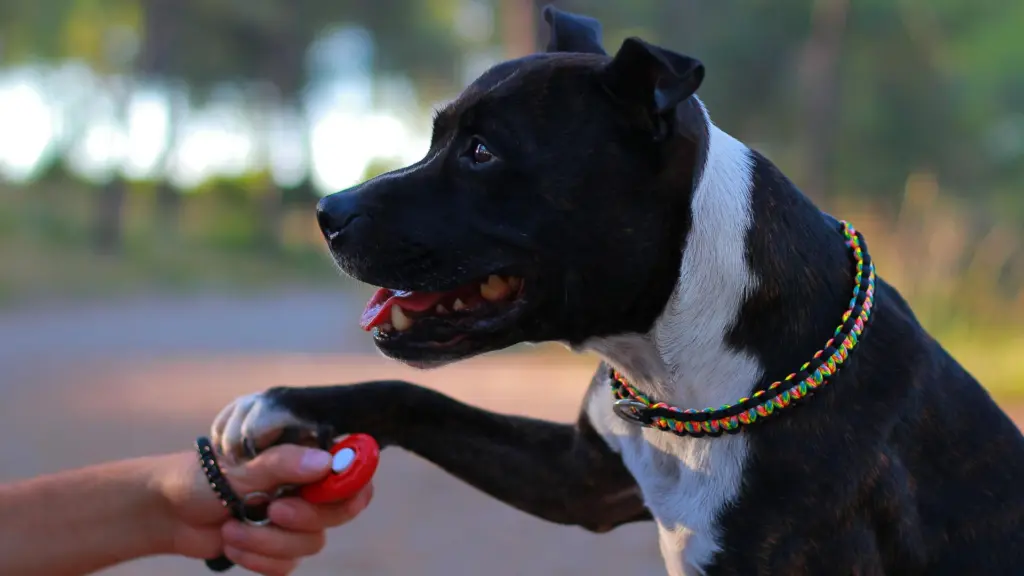
Every plan starts with a conversation and an assessment, not a curriculum. We ask what happens now, when it happens, and what has already been tried. Then we watch the dog work for twenty minutes, because what an owner describes and what a dog does are often two different pieces of information.
From that we write a plan in three parts: what changes this week so the dog stops rehearsing the problem, the skills the dog needs instead, and taking those skills out of the training yard and onto your street.
Most plans run six to twelve sessions. Cases with a long history take longer, and we would rather say that at the start than at session nine.
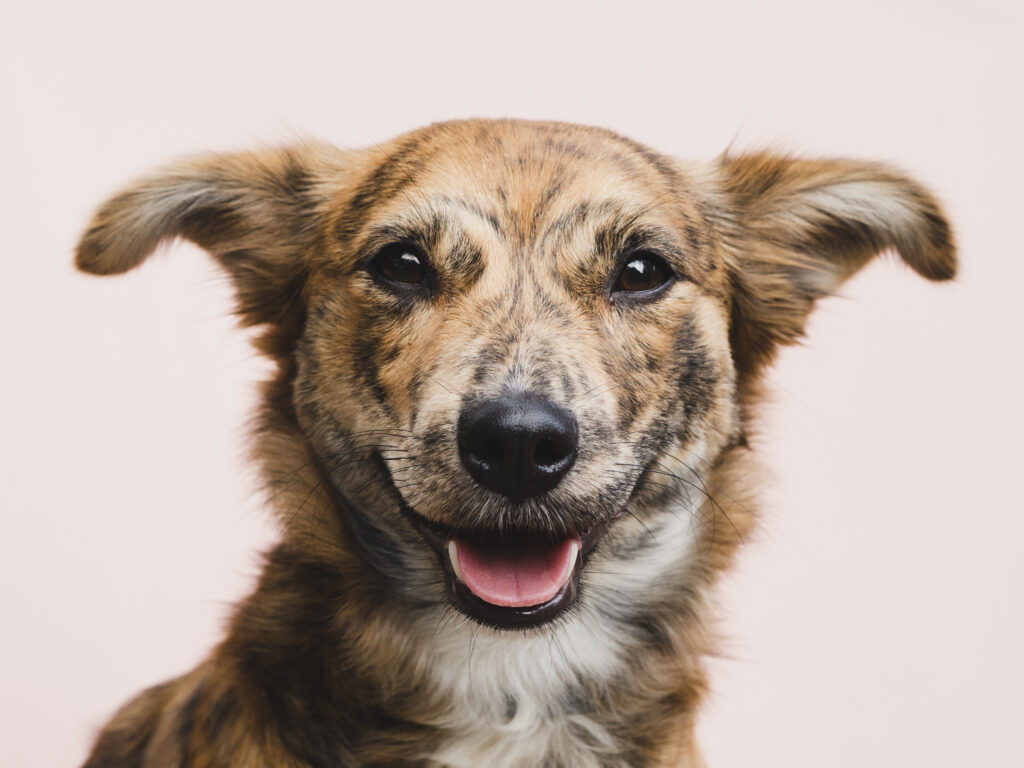
Impressions lie. A dog who seems calmer might just be tired, and a dog who had one good walk might have had a quiet street. So we measure: how many seconds your dog can hold a position while a distraction passes, how far away a trigger has to be before your dog notices, and how many recalls succeed out of ten.
Numbers make it obvious whether a plan is working, and they make it obvious when it is not. We check in at agreed points rather than at the end. If the numbers are flat after three sessions, the plan is wrong, not the dog.
Sit, down and stay are useful, but they are not the reason most people call us. Changing how a dog feels about a trigger is slower and less linear than teaching a trick, and it is the part that lasts.
The standards behind that work are set out by the American Veterinary Society of Animal Behavior, and anything health related belongs with your vet, so the Canadian Veterinary Medical Association is the right place to start.
Most people who call us are not looking for a better behaved robot. They want to enjoy their dog again. That is a different goal and it changes what we work on: a dog who checks in on a walk, settles at your feet in the evening, and comes when called because coming is worth something.
We coach owners as much as dogs. Timing, a marker word and knowing when to stop are skills, and they take practice. You leave each session with two or three things to work on, not twenty.
Current pricing for every format is on our rates page. If you are not sure which fits, the free ten minute call is the place to start.
Training is matched to your dog and your goals, not a fixed curriculum handed to every owner.
Socialization, house training, crate comfort, and early manners during the most influential weeks.
Sit, down, stay, place, loose-leash walking, and calm greetings in real environments.
Building a come-back that survives squirrels, other dogs, and open space.
Structured plans for barking, lunging, guarding, and frustration-based behaviour.
Door manners, settling, and reducing the daily friction that wears owners down.
The handling and timing skills that make training stick long after the session ends.
Every training relationship starts with a conversation, not a package.
Use the contact form to tell us about your dog and the behaviour you want to change.
Book a short call with our head trainer and behaviourist through the booking page.
We meet your dog, observe the behaviour in context, and recommend a realistic plan.
Sessions, homework, and checkpoints, with clear expectations and honest timelines.
Langley is a good place to train a dog and a hard place to keep one focused. Busy roads like 200th Street and 88th Avenue, crowded trails, off-leash areas with unpredictable dogs, and a steady stream of visitors at the door all create the exact situations where training either holds or falls apart. Our sessions work on those scenarios rather than isolated commands.
A ten-minute conversation with our head trainer saves hours of guesswork. We need to know the dog’s age, history, health, and the specific behaviour that prompted the call. Pulling on walks and resource guarding are not the same problem and do not deserve the same plan. The consult also lets you decide whether we are the right fit before committing to an assessment.
Every dog training Langley package starts with a consultation so we can see the behaviour before we plan the work.
Puppies need early socialization and gentle structure. Adolescent dogs need consistency through a developmental stage that catches almost every owner off guard. Adult dogs with established habits need patient, methodical work. The plan changes with the age and history. The principles do not.
We do not sell quick fixes. Behaviour change takes repetition, clear communication, and time. If a program promises a transformed dog in a weekend, it is usually a dog that has been suppressed rather than trained. Our approach is to build reliable behaviour that holds up when life gets messy.
Where a case needs more repetition than weekly sessions can give, our board and train program is the honest alternative. Where the work has to happen one-to-one in your own environment, that is private dog training. Severe cases, such as reactivity, guarding, fear and anxiety, sit under dog behaviour modification, and bite history is handled on our aggression and bite history page.
Fill out the contact form and then book a 10-minute phone consult with our head trainer through the booking page. After that call, we schedule an initial training consultation and assessment.
Yes. We work with puppies, adolescents, and adult dogs, including dogs with established behaviour challenges. Plans are adjusted for age, history, and temperament.
Common requests include pulling on leash, jumping on people, unreliable recall, reactivity toward dogs or people, door manners, and general obedience under distraction. If your dog has a bite history, tell us at the consult so we can advise honestly.
Training takes place at our Clayton Heights property and, where appropriate, in real-world environments nearby. The exact setting depends on your dog’s plan.
Training rates are listed on our rates page. The assessment determines which program fits, so pricing is confirmed after that conversation.
Yes. Our clients come from Langley, Willoughby, Walnut Grove, Brookswood, Cloverdale, and across Surrey and the Fraser Valley.
Owners travel from these communities for training focused on behaviour.
Four routes, depending on what your dog needs. If you are not sure, start with the ten minute call.
One dog, one trainer, in the place the problem happens. Private dog training Langley.
A full-time placement for dogs who need daily repetition. Board and train Langley.
For fear, guarding and reactivity that has not responded. Behaviour modification Langley.
Careful work where safety comes before training. Dog aggression training Langley.
Tell us what is not working. We will tell you honestly what it will take to change it.