Dog behaviour modification Langley owners come to us for the behaviours that have not responded to ordinary training: reactivity, aggression, guarding, fear and anxiety. We assess the dog before recommending anything, then build a plan around what is actually driving the behaviour rather than the symptom on the surface.
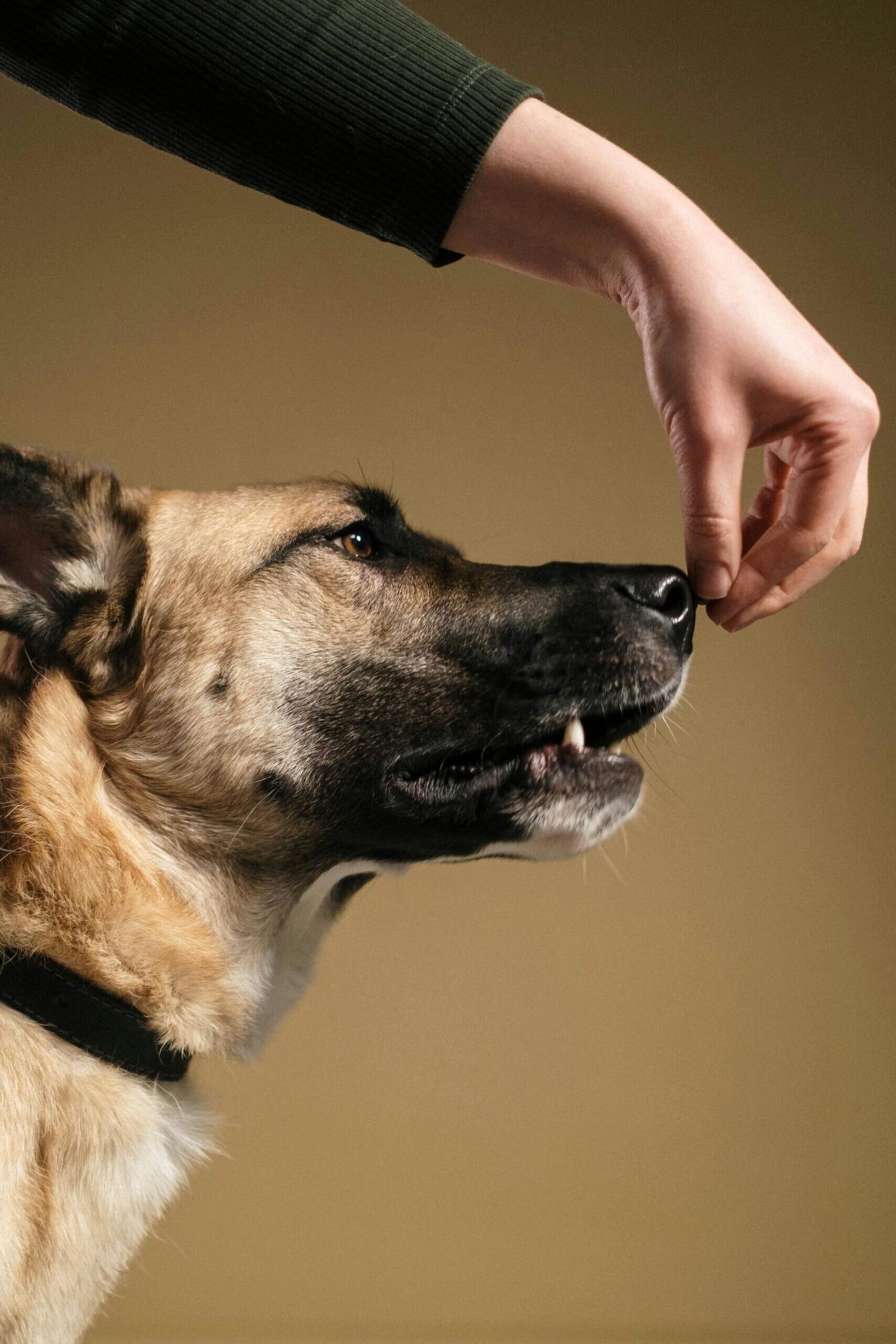
History, triggers, threshold and environment before any plan is written.
We work on what is driving the behaviour, not just the visible output.
Private sessions or full-time board and train, chosen to fit the case.
Bite history and guarding cases are handled with structure and clear limits.
Behaviour modification is not obedience with a different label. Obedience asks a dog to perform; modification changes what the dog feels about the thing that sets them off. That is slower, less tidy, and far more durable.
Every plan starts with an assessment of history, triggers, threshold, and environment. Two dogs can look identical on the street and need completely different plans, because one is fearful and one is over-aroused. Guessing at that difference is how owners end up paying twice.
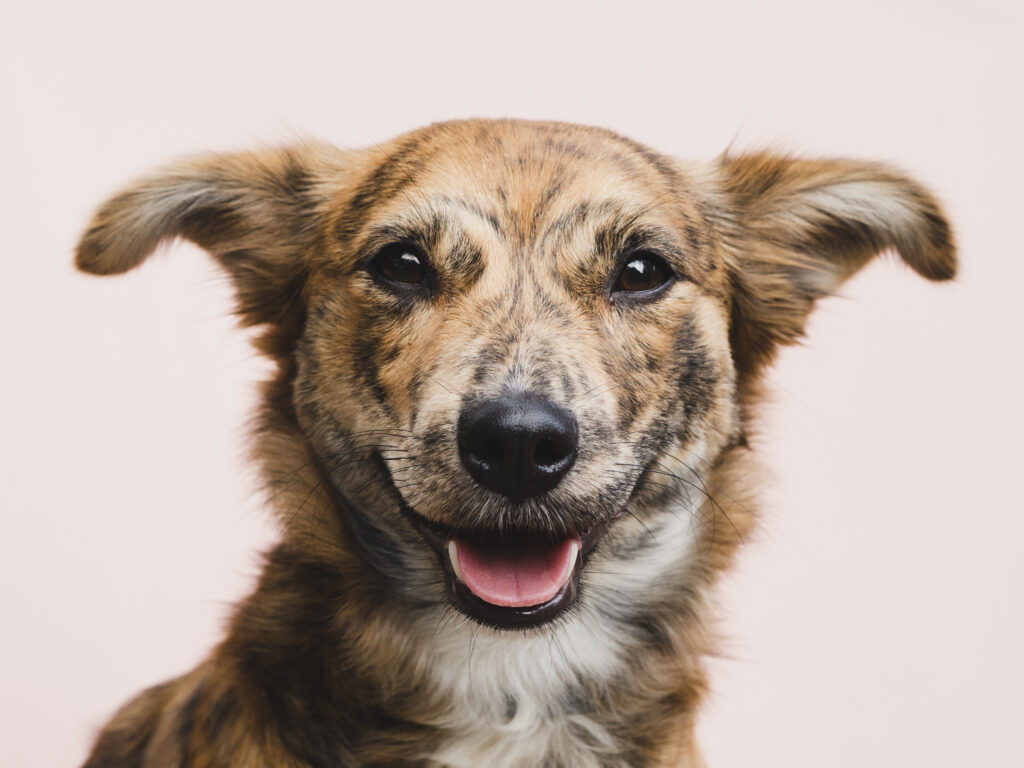
The assessment comes first and it is not a formality. We look at the trigger, the distance at which the dog notices it, what happens next, and how long recovery takes. Two dogs with the same label on paper can need completely different plans.
From there we build a baseline you can measure against. That might be the number of seconds your dog can hold a sit while another dog walks past, or how quickly they settle after a knock at the door. Numbers beat impressions when you are deciding whether a plan is working.
The early work is usually about distance and reward timing. We keep the dog under threshold, pay for the behaviour we want, and stop before the dog tips over. Progress looks boring from the outside, which is exactly what you want.
If the behaviour has a medical driver, the plan starts at the vet’s office instead. Pain, thyroid problems and vision loss all change behaviour, and no training plan fixes those.
The BC SPCA publishes plain-language help on fear and reactivity, and the AVSAB explains the position on aversive tools.
We work across the full range of behaviour problems. The ones listed here are the most common, not the limit.
Barking, lunging and shutting down around dogs, people, or vehicles.
Work that puts safety first for small and medium dogs with a bite history.
Food, toys, beds, and people, reducing conflict over what matters.
Dogs who panic, freeze, or cannot settle in new places.
Repetitive patterns that have become the dog's default.
Structure and predictability for dogs with an unknown past.
Behaviour modification begins with understanding, not a package.
Tell us the behaviour, when it started, and what has already been tried.
A short call with our head trainer to see whether this is the right service.
We meet your dog, observe the behaviour, and identify what is driving it.
A written plan, the right format, and checkpoints to review what is changing.
Most behaviour cases we see come from Langley, Surrey, and Cloverdale, and they share a pattern: a dog who is fine at home and unrecognisable outside it. Busy roads, off-leash trails, and constant foot traffic make behaviour problems far more visible here than in a quiet suburb, and far more urgent to fix.
An assessment tells us whether we are looking at fear, over-arousal, pain, frustration, or a learned pattern, and whether the risk is manageable in a home setting. It also tells us when the honest answer is a veterinary referral rather than a training plan.
Some behaviours need weekly private sessions and owner coaching. Others need the repetition of an full-time board and train placement. We recommend the lighter option when it will work, and say so when it will not, including when the dog needs a specialist we refer to.
We do not promise a cure, a fixed timeline, or that a dog with a bite history becomes safe in every situation. We promise a real assessment, a plan built on behaviour science, and honesty about what is realistic for your dog.
It is structured work that changes how a dog feels about a trigger, not just what they do when it appears. Obedience asks for a behaviour; modification changes the emotional response behind it.
Training teaches cues. Behaviour modification treats the reason the cue fails: fear, over-arousal, frustration, or a learned pattern that gets reinforced every day.
We work with small and medium dogs with a bite history. For dogs 50 lb and over we refer to elite professional trainers in our network, because that is the right level of expertise for the risk involved.
Longer than owners hope and shorter than doing nothing. Simple cases can shift in weeks; fear and aggression work is measured in months. We give an honest range after the assessment.
No. The work is built on clear communication, fair expectations, and consistency between trainer and owner.
Yes, we cover Langley, Surrey, Cloverdale, Willoughby, Walnut Grove, Brookswood, Aldergrove, Fort Langley, Murrayville, Abbotsford, and Maple Ridge.
Owners travel from these communities for behaviour modification work.
Describe the behaviour and what you have already tried. We will tell you honestly what it will take.